About ProteanOS
A universal embedded operating system designed for flexibility, reliability, and ease of development.

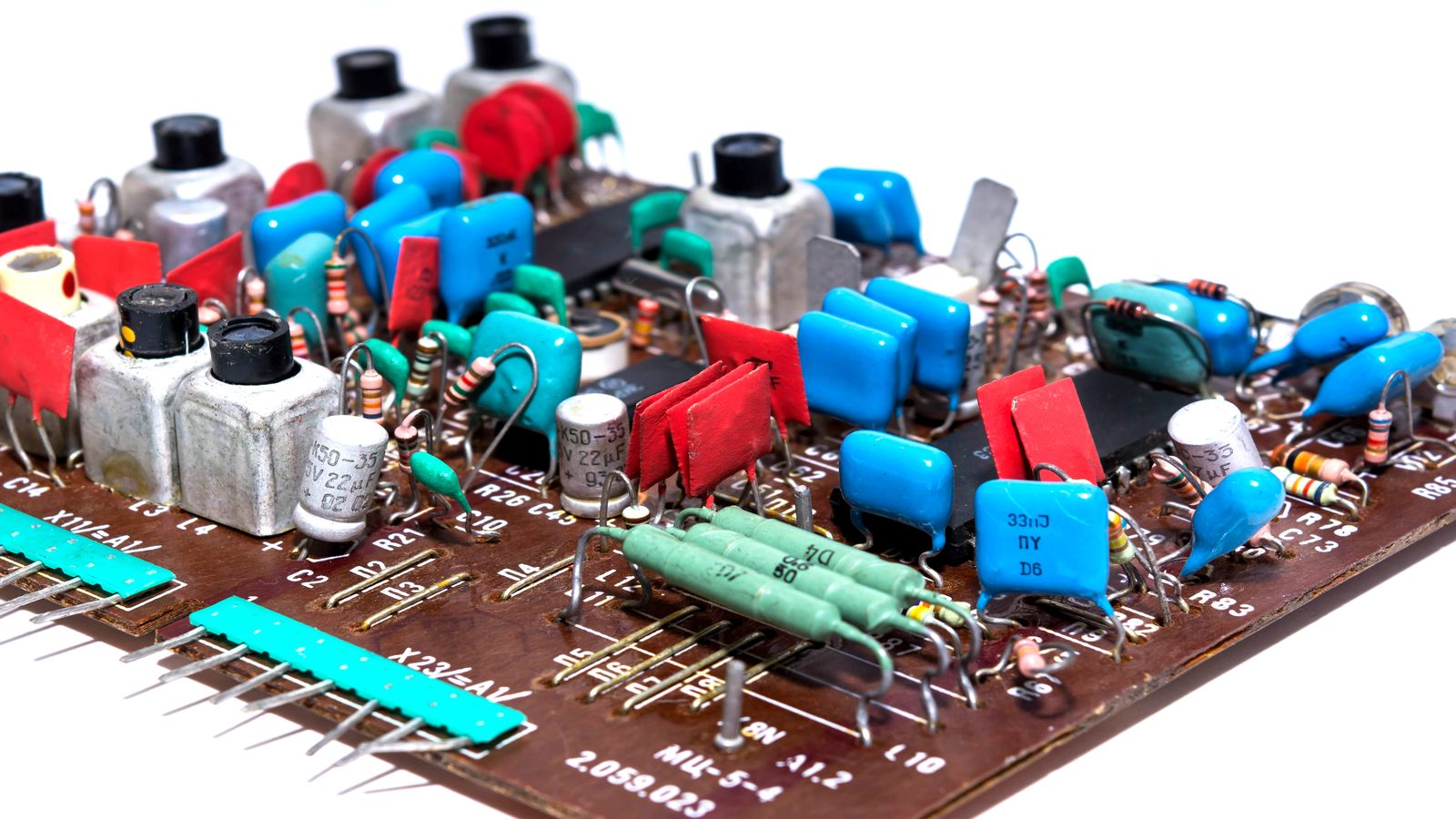
What is ProteanOS?
ProteanOS is an embedded operating system project focused on providing a consistent, well-documented foundation for embedded systems development. The project emphasizes portability across hardware platforms, clean packaging infrastructure, and comprehensive tooling for developers working with resource-constrained devices.
The name "Protean" reflects the system's adaptability—its ability to be shaped and configured for diverse embedded applications, from industrial controllers to consumer electronics. Rather than imposing rigid constraints, ProteanOS provides building blocks that developers can assemble according to their specific requirements.
Design Philosophy
ProteanOS follows several guiding principles that inform its architecture and development practices:
- Simplicity over complexity: Prefer straightforward solutions that are easy to understand, maintain, and debug. Embedded systems often operate in environments where troubleshooting is difficult, so clarity matters.
- Standards-based packaging: Use well-defined package formats and build processes that are documented and reproducible. This reduces the barrier to entry for new contributors and simplifies long-term maintenance.
- Hardware abstraction: Provide clear abstraction layers that isolate hardware-specific code from application logic, making it feasible to port software across different platforms without extensive rewrites.
- Documentation as a first-class concern: Treat documentation with the same rigor as code. Specifications, guides, and reference materials are essential for a healthy project ecosystem.
Technical Foundation
At its core, ProteanOS builds upon proven open-source technologies while adding project-specific tooling and conventions. The system architecture includes:
- ProKit: The ProteanOS Development Kit provides build tools, packaging utilities, and development environment setup. ProKit standardizes the workflow for creating and maintaining packages.
- Source Package Format: A structured format for distributing source code along with build instructions and metadata. Version 2.0 of the format includes improvements for handling complex dependencies and build configurations.
- Platform Support Libraries: Abstraction layers for common hardware interfaces, including GPIO, serial communication, I2C, SPI, and network interfaces. These libraries enable portable application development.
- Build Infrastructure: Scripts and configuration for cross-compilation targeting various processor architectures including ARM, MIPS, and x86 embedded variants.
Target Applications
ProteanOS is suitable for a range of embedded applications where flexibility and maintainability are priorities:
- Industrial automation and control systems
- Network appliances and gateways
- Data acquisition and monitoring devices
- Educational platforms for embedded systems learning
- Prototyping and proof-of-concept development
- Custom consumer electronics projects
Getting Involved
The ProteanOS project welcomes contributions in various forms. Whether you're interested in writing documentation, improving build tools, porting to new hardware, or fixing bugs, there are opportunities to participate. Start by reviewing the Development section for information on contribution workflows and coding standards.
For questions and discussions, the mailing lists provide a forum for technical conversations and announcements. The development list is appropriate for code-related discussions, while the announce list carries project news and release information.
Free Software Commitment
ProteanOS is committed to the principles of free software. Users have the freedom to run, study, modify, and share the software. This commitment ensures that the project remains accessible to everyone and that improvements benefit the entire community. For more information about free software principles, see the Free Software Foundation's definition.
Frequently Asked Questions
What makes ProteanOS different from other embedded operating systems?
ProteanOS emphasizes a standardized packaging system and comprehensive documentation. The project focuses on making embedded development more accessible through clear abstractions and well-documented workflows, rather than optimizing for a single use case.
What hardware platforms does ProteanOS support?
ProteanOS supports various ARM-based platforms, with documentation for porting to additional architectures. The hardware abstraction layer design makes it feasible to add support for new platforms as needed.
Is ProteanOS suitable for production systems?
ProteanOS can be used in production environments where its feature set matches your requirements. As with any embedded system, thorough testing on your specific hardware and application is essential.
How do I get started with ProteanOS development?
Begin with the installation guide to set up a development environment, then explore the ProKit documentation for understanding the build and packaging workflow. The mailing lists are available for questions.
Can I use ProteanOS in commercial projects?
Yes, ProteanOS is free software and can be used in commercial projects, subject to the applicable license terms. Review the licensing information in the source repositories for specific details.